
Waterproofing & Thermal Insulation
Waterproofing for roofs, bathrooms, pools and planters — with a flood test before anything covers it.
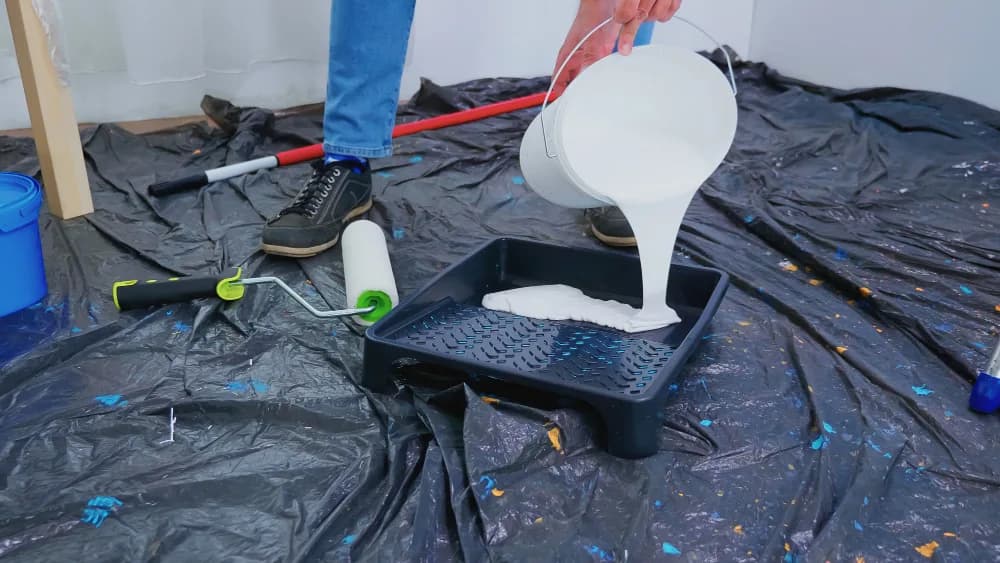
Waterproofing is the cheapest line in a project and the most expensive one to get wrong, because fixing it means demolishing whatever sits on top. We run a 24-hour flood test on every waterproofed area before it is covered — that test is not optional here. Roof thermal insulation makes a measurable difference to the electricity bill in this climate.
The stain is not where the leak is
The first mistake in leak repair is assuming the problem sits directly beneath the stain. Water moves within the structure: it enters at one point, travels along a fall or inside a cavity, and emerges somewhere else, possibly metres away.
Treating the stain location without tracing the path means the leak keeps running and reappears elsewhere months later. Tracing the path — by inspection and testing — is what prevents rework.
Failure happens at details, not in the middle
Look at any failed waterproofing and you will find the problem at one of three points: where the horizontal surface meets the vertical wall, around a pipe penetrating the surface, or at the drain. These need specific detailing: turning the membrane up the wall to adequate height, collars around pipes, and careful treatment at the outlet.
Open areas are quick and easy; details are slow and tedious — which is exactly why they get rushed, and why they fail.
Testing is the only evidence
Once covered, waterproofing cannot be inspected. The only way to be sure it is sound is to test it before covering: flooding the surface for a sufficient period, or intensive spraying depending on location. Any defect appears in the test rather than a year later under tile or screed.
Testing takes time, which is precisely why it is the first thing dropped under programme pressure. Dropping it means everything built afterwards rests on an assumption.
Roof thermal insulation
The roof is the largest surface taking vertical sun through the hottest hours. Heat entering through it loads the air-conditioning noticeably, particularly on upper floors whose occupants complain that the cooling "does not cool".
Thermal insulation is usually installed alongside waterproofing in the same operation — which saves money, because both need the same preparation and the same access.
The protection layer
Membrane exposed to sun and foot traffic degrades far faster. UV breaks down most systems over time, and walking on them causes punctures. A protection layer — tile, light screed, or gravel ballast — extends life substantially at a fraction of the cost of re-waterproofing.
Scope of work
- Locating the leak source before any treatment — not waterproofing over a problem
- Different systems by location: roofs, bathrooms, tanks, foundations
- Flood testing after waterproofing and before any covering
- Roof thermal insulation that reduces the cooling load
- Detailing junctions and penetrations — the most common failure points
- A protection layer over the membrane to prevent damage in use
How we deliver
Source identification
Trace the water path to its actual source. Water travels within the structure, so where the stain appears is not necessarily where the leak is.
Preparation
Remove failed membrane and loose layers, clean the substrate, and repair cracks and drainage falls.
Membrane application
Install the appropriate system with particular attention to junctions, penetrations and corners.
Testing and protection
Flood or spray testing, and once it passes, install the protection layer or covering.
Frequently asked
Why does waterproofing fail?
Can new membrane go over old?
How much does thermal insulation save?
Is testing necessary?
How is rising damp treated?
How long does waterproofing last?
In the same category


Ready to start your project?
A free site visit anywhere in the UAE within 48 hours — no obligation.