
Green Walls & Roof Gardens
Greenery where there is no ground — on walls, roofs and terraces.
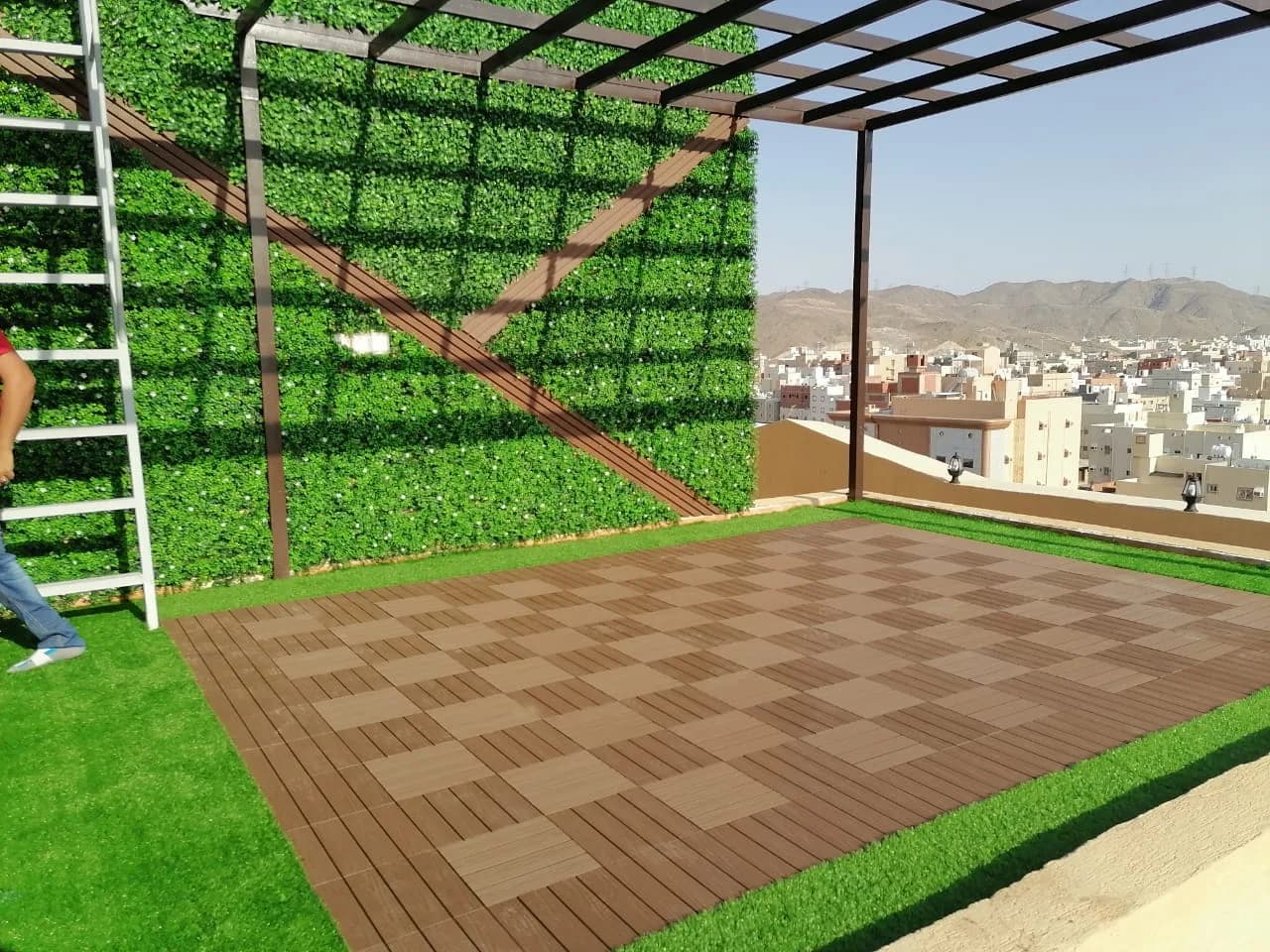
A green wall and a roof garden are engineering projects, not just planting: they need sound waterproofing beneath, load calculations, a dedicated irrigation system and guaranteed drainage. We build them as modular systems so any section can be replaced, with a natural or artificial planting option depending on the location and the maintenance available.
What sits under the plants is the real project
From outside, a green wall or roof garden is plants. Inside, it is a layered system: waterproofing, root barrier, drainage layer, growing medium and irrigation. The planting is the last layer and the cheapest part — the layers beneath decide whether the project survives or becomes a damp problem inside the building.
Most failures come from skipping one of those layers to cut cost. The difficulty is that they are completely hidden after completion, so the saving is invisible at handover — it appears a year later as a damp patch.
Load is not a detail
Saturated soil is appreciably heavy, and the load spikes immediately after irrigation. That is why load calculation precedes design rather than following it. Where a roof is not built for the extra load, systems using media far lighter than soil exist — but that decision is taken before work starts, not after.
Orientation decides the planting
A vertical wall is harsher than ground: restricted rooting, faster drainage, direct exposure. On top of that, orientation changes everything — a north wall sits in near-permanent shade while a south or west wall takes direct sun through the hottest hours.
Irrigation on walls behaves differently
Gravity pulls water down, so the top of a wall always dries faster than the bottom. A correct system compensates with uneven emitter distribution — more points at the top — and first-month monitoring that tunes those differences against reality rather than theory.
Maintenance is a condition, not an option
A green wall needs more attention than any ground planting. We say this before installation so the decision is made on the full picture: a very strong visual element, with ongoing requirements.
Scope of work
- Green walls with integrated irrigation and drainage — not hanging planters
- Waterproofing and root barrier between the system and the structural wall
- Additional roof load calculated before any work begins
- Species selected by wall orientation: shade or direct sun
- Drainage layer and lightweight growing medium in roof gardens
- Timed irrigation independent of ground zones, weighted to offset gravity
How we deliver
Structure and waterproofing survey
Assess the wall or roof: load capacity, condition of existing waterproofing, and water and drainage sources. This decides the system, not the aesthetic.
Waterproofing and protection
Waterproof membrane and root barrier between system and structure. This layer is fully hidden after completion, and any shortcut shows later as damp inside the building.
System and irrigation installation
Support frame, planting modules, timed drip network, and bottom drainage connected to an outlet.
Planting and follow-up
Planting with the selected species, then weekly checks in the first month to tune irrigation to how each part of the wall responds.
Frequently asked
Do green walls leak into the wall?
How much maintenance is needed?
Can the roof take a garden?
Which plants suit a wall?
Is an artificial green wall an option?
Does it actually cool the building?
In the same category
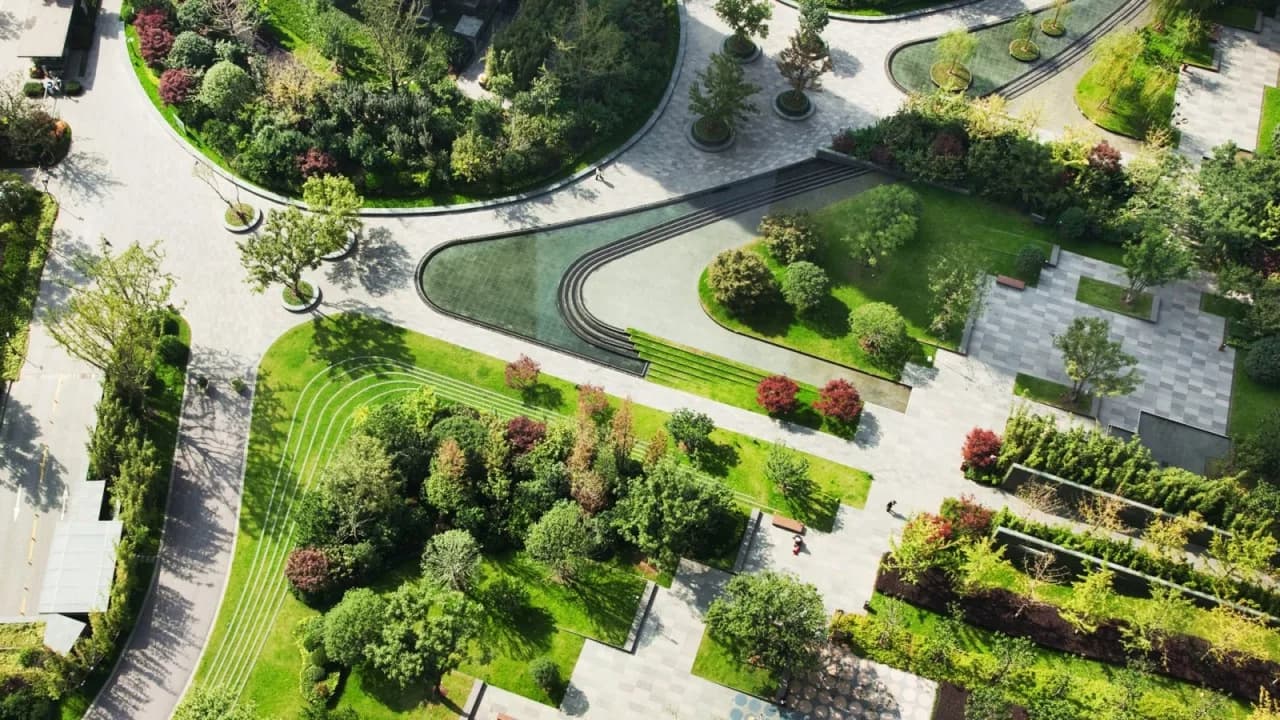
Softscape & Planting
Trees, palms and shrubs chosen to survive UAE heat and saline water — not just to look good on delivery.
Pay in instalments with

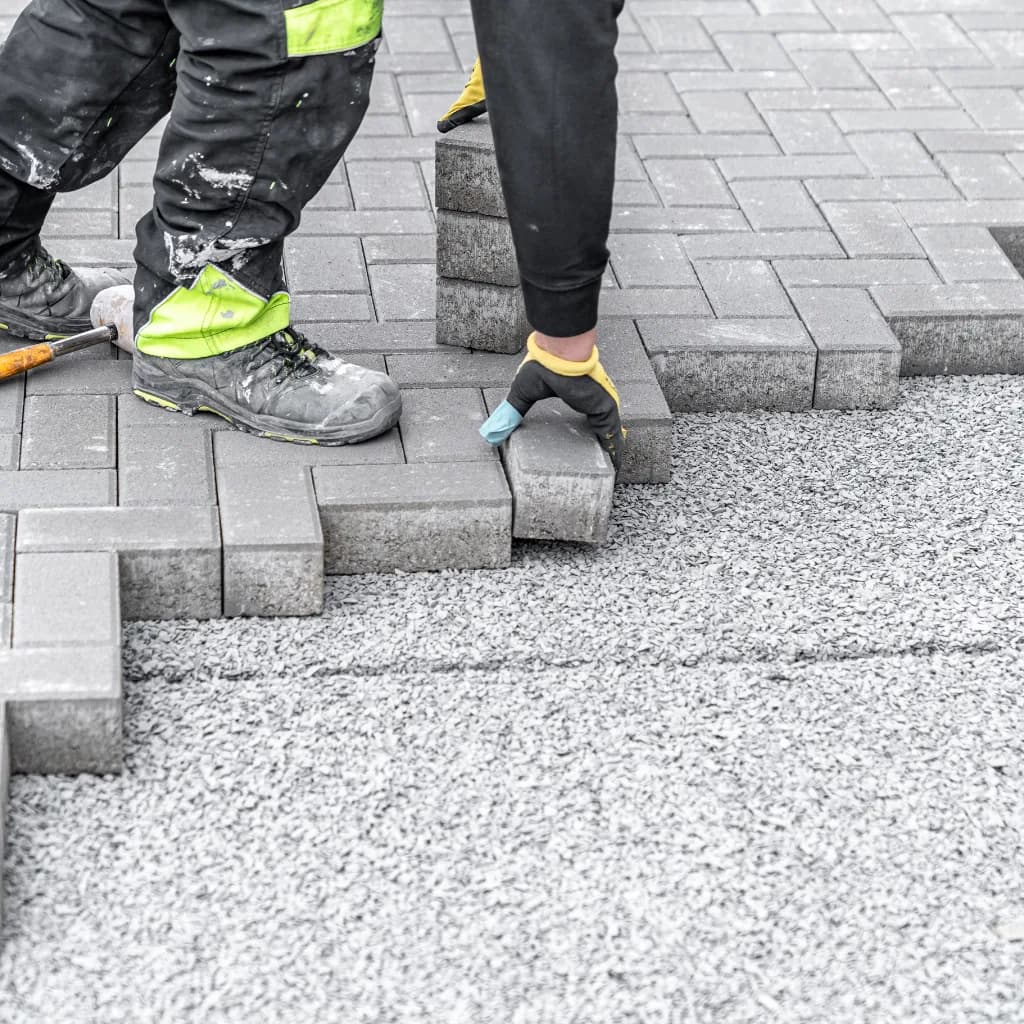
Hardscaping
Interlock, paving, pathways, decking and retaining walls — the structure the garden is built on.
Pay in instalments with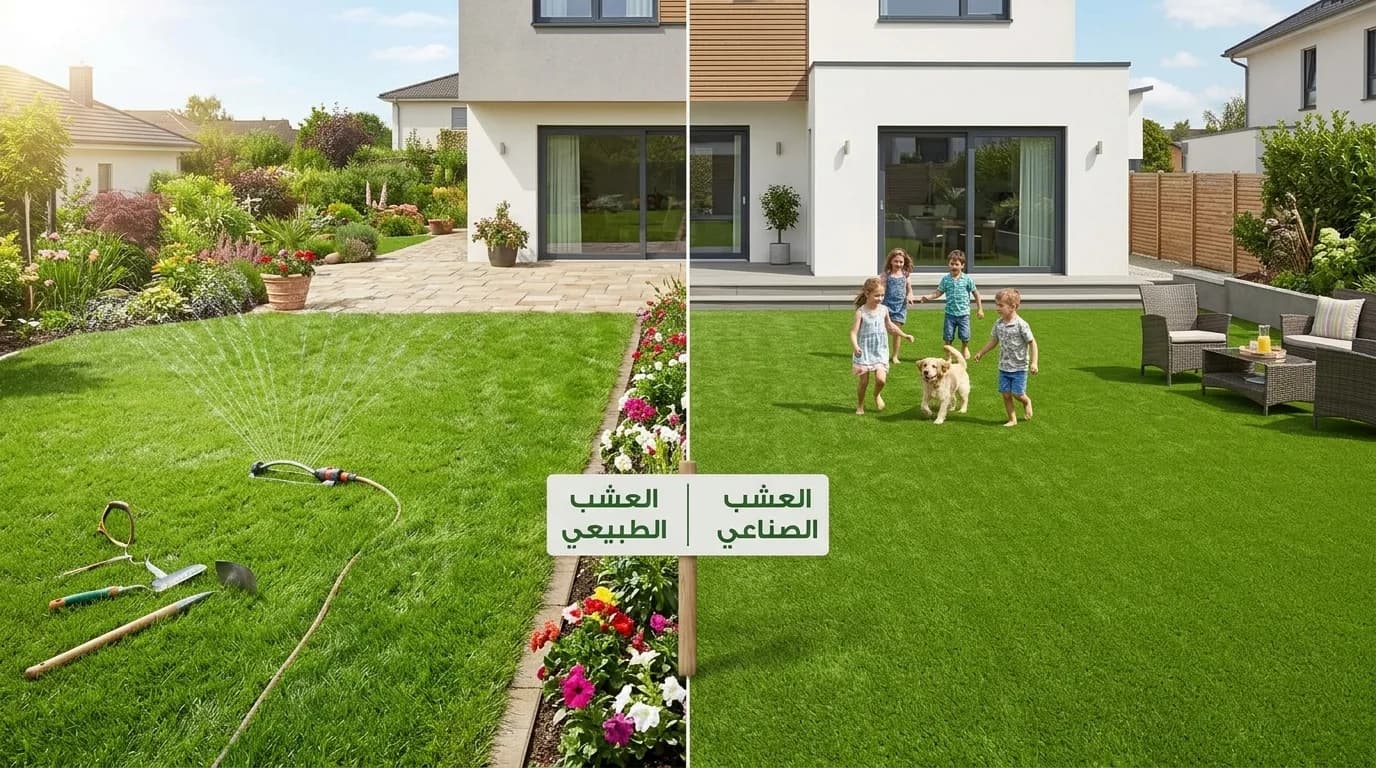
Natural & Artificial Turf
Natural turf in varieties that survive summer, or artificial grass at a spec that actually differs from what the market sells.
Pay in instalments withReady to start your project?
A free site visit anywhere in the UAE within 48 hours — no obligation.