Natural & Artificial Turf
Natural turf in varieties that survive summer, or artificial grass at a spec that actually differs from what the market sells.
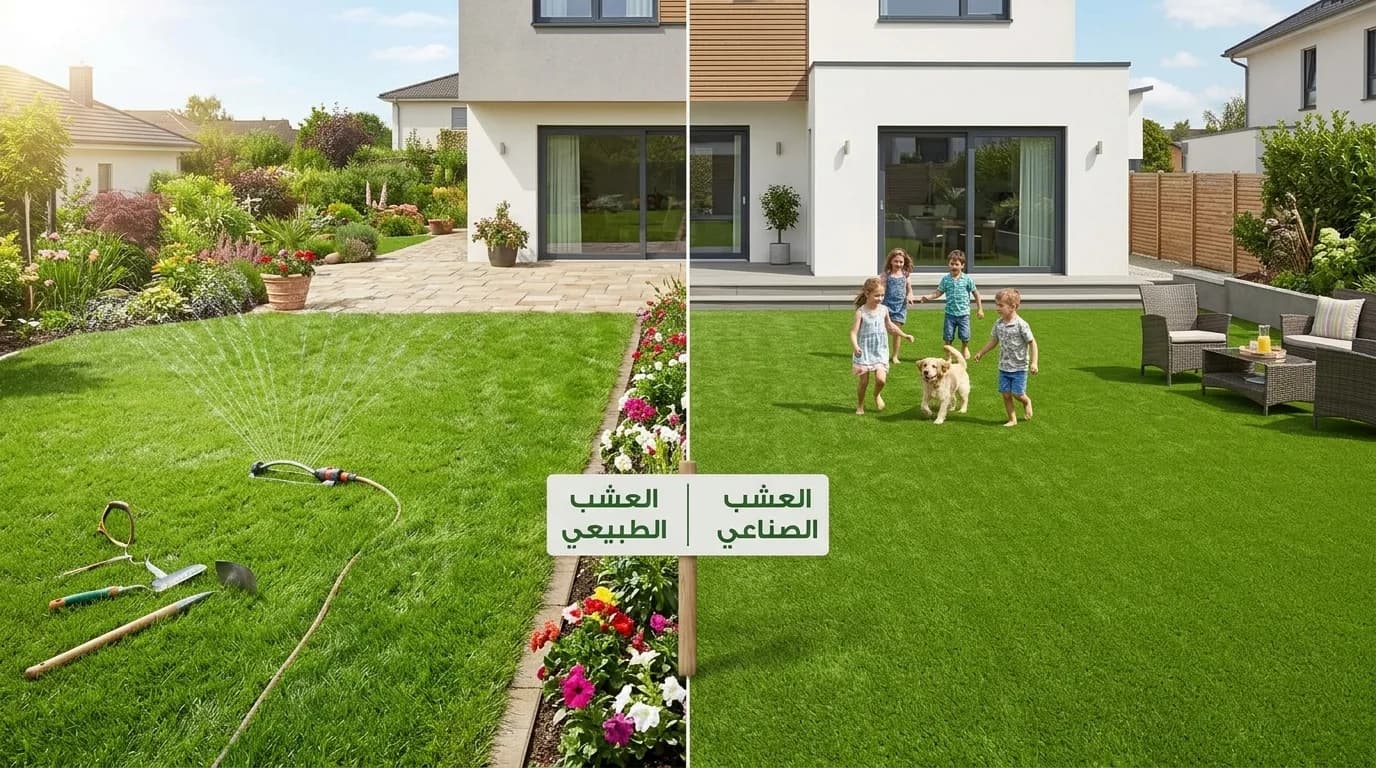
Natural turf in the UAE needs the right variety — paspalum or bermuda for salinity and heat — plus regular irrigation and feeding, and can work out cheaper long-term where use is light. Artificial grass saves water and maintenance, but the gap between products is wide: pile density, pile height, UV resistance, and the drainage layer beneath. We put both options in front of you with their numbers and you choose.
The decision is about use, not budget
The first question is not "which is cheaper?" but "how will this area be used?" A surface children play on daily, a display area at the entrance, or a pool surround? The answer sets the type and specification before price enters the discussion.
True long-run cost
Artificial costs clearly more upfront. Natural is cheaper to install and then starts a monthly bill: water, mowing, fertiliser and pest control. Break-even typically arrives within a few years, and arrives sooner as area and water tariffs increase.
That does not make artificial always better — it means the comparison must include running cost, not installation alone.
Heat is a decisive factor
Artificial turf gets noticeably hot in UAE sun, and it is the most common complaint from people who installed it without being warned. What reduces it: lighter colours, cooling-technology products, and spraying water before use. If the area will be used at midday in summer, this consideration comes before appearance.
The base matters more than the turf
Artificial turf on unprepared ground ripples and floods. What is required: excavation, a compacted base with drainage falls, a levelling layer, and fixed edging that stops the perimeter pulling away. Then silica sand infill to hold the pile upright and prevent matting.
A poor base halves the life regardless of turf specification — and it is the most common place where savings are made at the expense of the result.
Suitable natural species
- Bermuda — the most widely used: high heat tolerance and fast recovery from heavy use.
- Paspalum — the choice where irrigation water is saline; markedly higher salt tolerance.
The choice follows the water salinity reading and usage level, not visual preference.
Real maintenance
Natural: regular mowing, seasonal feeding, soil aeration and controlled irrigation. Artificial: periodic brushing to lift the pile, washing especially with pets, and an annual check of edges and seams. Both need attention — the difference is in kind, not in whether.
Scope of work
- A frank comparison of natural vs artificial on cost and consumption before you choose
- Heat-tolerant natural species such as bermuda, and paspalum for saline areas
- Artificial turf with pile density and height chosen for use, not for showroom looks
- Compacted, drained base under artificial turf — more important than the turf itself
- Silica sand infill to hold the pile upright and prevent matting
- Fixed edging that stops shrinkage and pulling away at the perimeter
How we deliver
Choosing by use
Daily children's play, display area, or pool surround? The answer decides natural or artificial and which specification — not budget alone.
Ground preparation
Natural: soil replacement, levelling and irrigation. Artificial: excavation and a compacted base with drainage falls — artificial turf on unprepared ground floods and ripples.
Installation
Natural by seed or roll depending on how fast you need it. Artificial with seamed joints and one consistent pile direction so the joins do not show.
Establishment and handover
Natural: an irrigation and mowing schedule for the first month. Artificial: sand infill, brushing, and a walkthrough of routine care.
Frequently asked
Which is cheaper long term?
Does artificial turf get hot in summer?
How long does artificial turf last?
Which natural grass suits the UAE?
Can artificial turf go over an existing surface?
Do pets affect artificial turf?
In the same category
Softscape & Planting
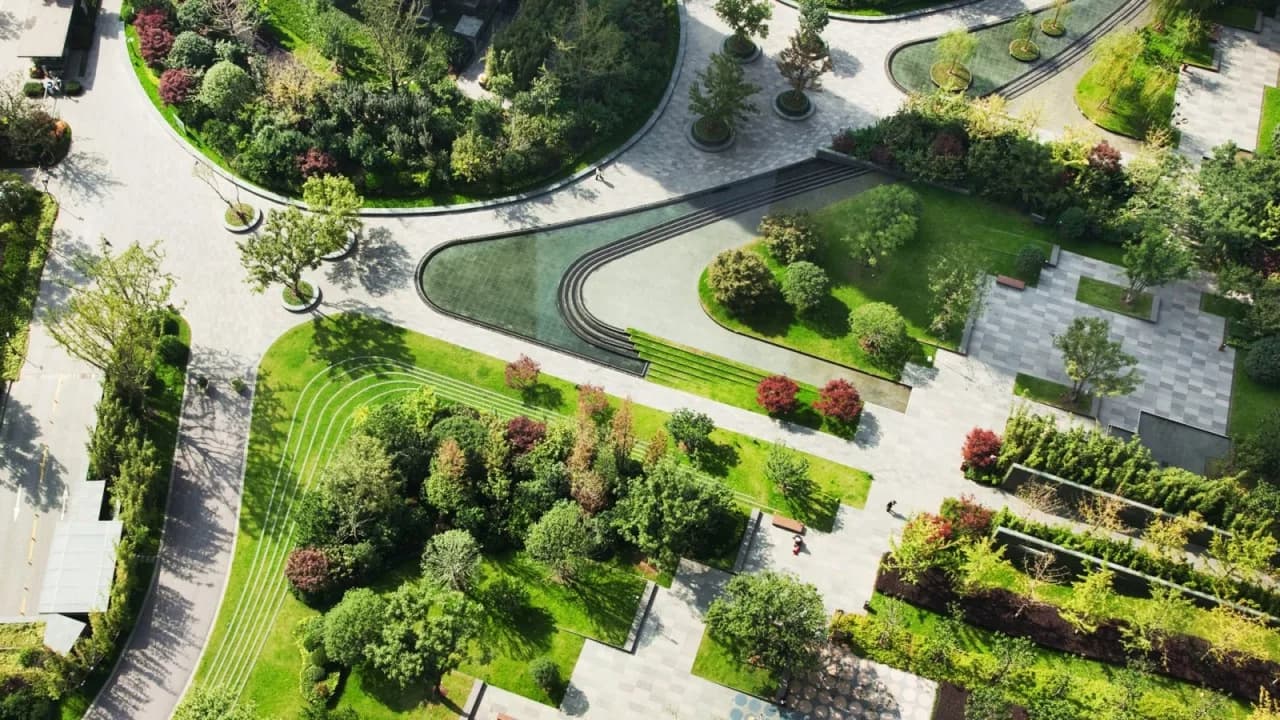
Trees, palms and shrubs chosen to survive UAE heat and saline water — not just to look good on delivery.
Pay in instalments with

Hardscaping
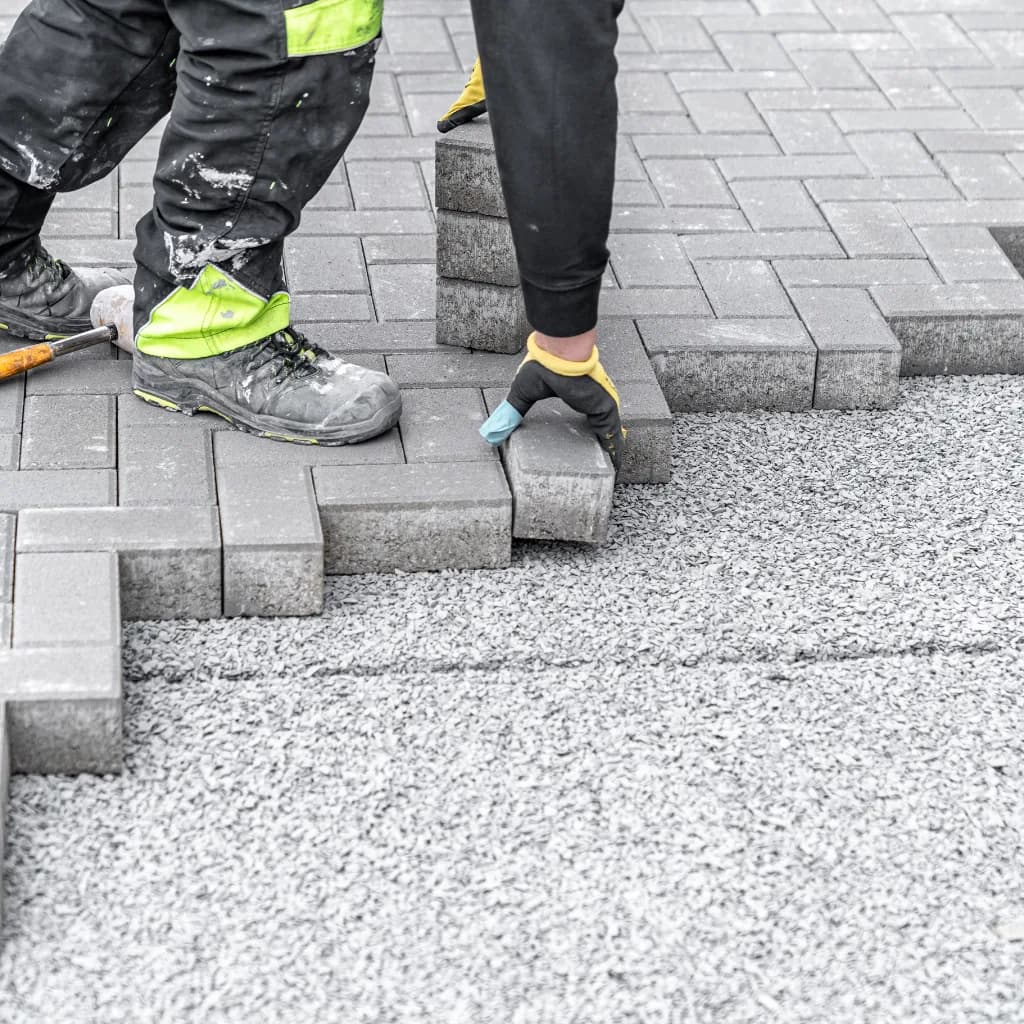
Interlock, paving, pathways, decking and retaining walls — the structure the garden is built on.
Pay in instalments with
Irrigation Systems
Drip and spray irrigation with automatic control — the most important system in a garden and the most often built wrong.
Pay in instalments withReady to start your project?
A free site visit anywhere in the UAE within 48 hours — no obligation.