
Softscape & Planting
Trees, palms and shrubs chosen to survive UAE heat and saline water — not just to look good on delivery.
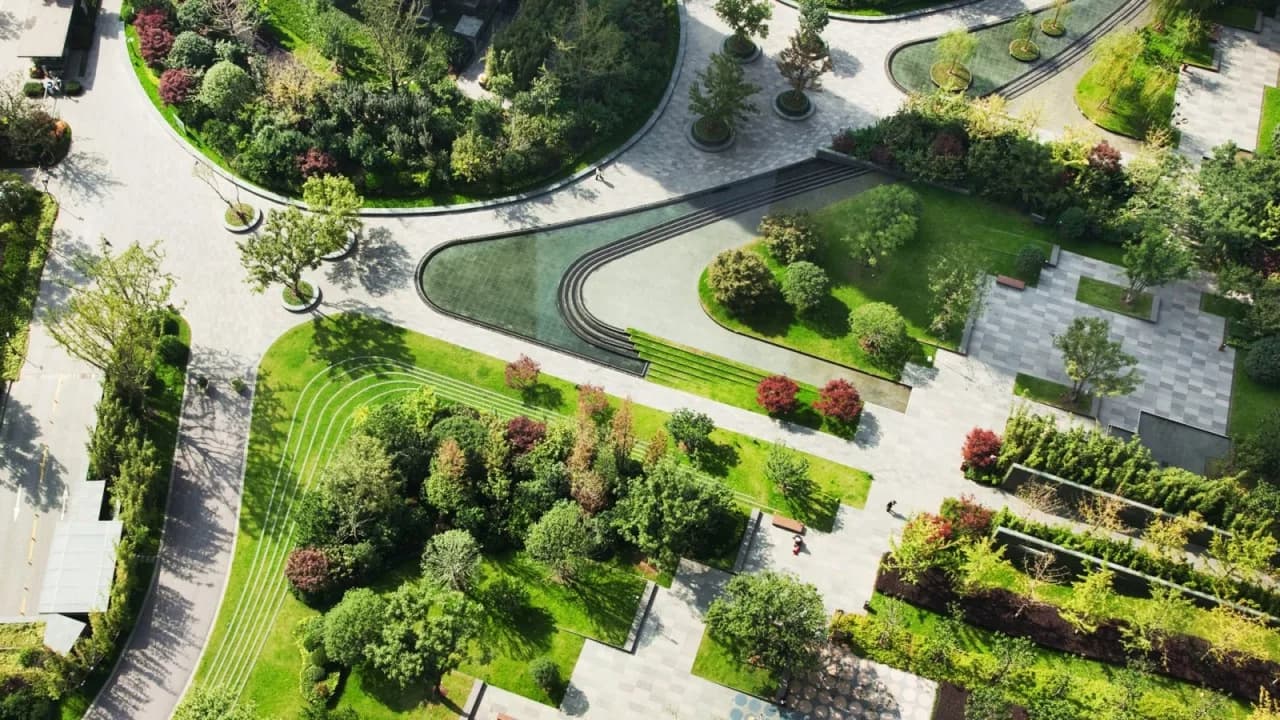
Most garden failures in the UAE come from the wrong plant choice, not the wrong installation. Summer temperatures pass 45°C, water in many areas is saline, and sandy soil drains fast. We select plants by heat, salinity and shade tolerance, and prepare the soil with organic mix and amendments before planting — the part nobody sees is the part that decides whether the garden lasts one year or five.
The soil is the project, not the plant
UAE soil is sandy, drains extremely fast, and holds almost no organic matter. Water and fertiliser pass the root zone before the plant benefits. Any garden planted without soil replacement survives on heavy daily irrigation and stays weak, however expensive the stock — the problem is not the nursery, it is the hole.
Replacement means excavating to a depth appropriate for each species and replacing sand with a planting mix containing organic matter and water retention. Depth varies: ground cover needs far less than a palm.
Salinity — the problem nobody measures
Irrigation water in many parts of the UAE carries a high salt load. Those salts accumulate in the soil with every watering and do two things: burn leaf margins, and reduce the root's ability to take up water even when the soil is wet. The result is a plant dying of thirst while being watered daily.
The fix is three things together: salt-tolerant species, periodic leaching (a deeper watering at intervals that pushes salts below the root zone), and working drainage that lets it pass. Blocked drainage turns leaching into salt accumulation.
Species selection
- Ghaf — the national tree; high drought and salt tolerance with deep roots. Needs adequate distance from buildings.
- Sidr — dense shade and excellent tolerance, suited to medium spaces.
- Neem — faster growth and broad shade, widely used along streets and car parks.
- Palms — specified by trunk girth and frond count, not height alone; planting needs temporary bracing until established.
These are examples of locally tolerant species. The final choice depends on the water salinity reading, available root space, and proximity to buried services.
The order that matters
Irrigation is laid before planting. The reverse means trenching among established plants, cutting roots and compacting freshly prepared soil. This is not a procedural detail — it is the difference between a properly set network and one improvised around the planting.
The establishment period
The first six weeks after planting decide the outcome. Irrigation starts intensive and tapers, so roots grow downwards instead of staying shallow. Visits during this period tune the network to how the plants actually respond, not to a theoretical schedule.
The warranty covers replacement of losses in this period for reasons related to supply or planting — not irrigation neglect after handover, nor mechanical damage.
Scope of work
- Soil analysis and preparation with organic mix
- Heat- and salinity-tolerant plant selection
- Palms and trees at agreed sizes
- Built planting beds and fixed edging
- Mulch layer to reduce water loss
- Aftercare through the first 90 days
How we deliver
Soil and water testing
A soil sample and an irrigation-water salinity reading. These two numbers decide the species list — planting without them dies in the first summer.
Soil preparation
Excavation and replacement with planting mix and organic matter, plus levelling for drainage. This stage decides how long the planting lives.
Irrigation, then planting
Network laid and tested first, then planting at the agreed sizes — the reverse means digging over established plants.
Establishment and follow-up
An intensive irrigation schedule for the first six weeks with follow-up visits, adjusting the network to how the plants respond.
Frequently asked
Why does the soil need replacing?
How does saline irrigation water affect planting?
When is the best time to plant?
What does the warranty cover?
Which shade trees suit the UAE?
How much water does ground cover save?
In the same category
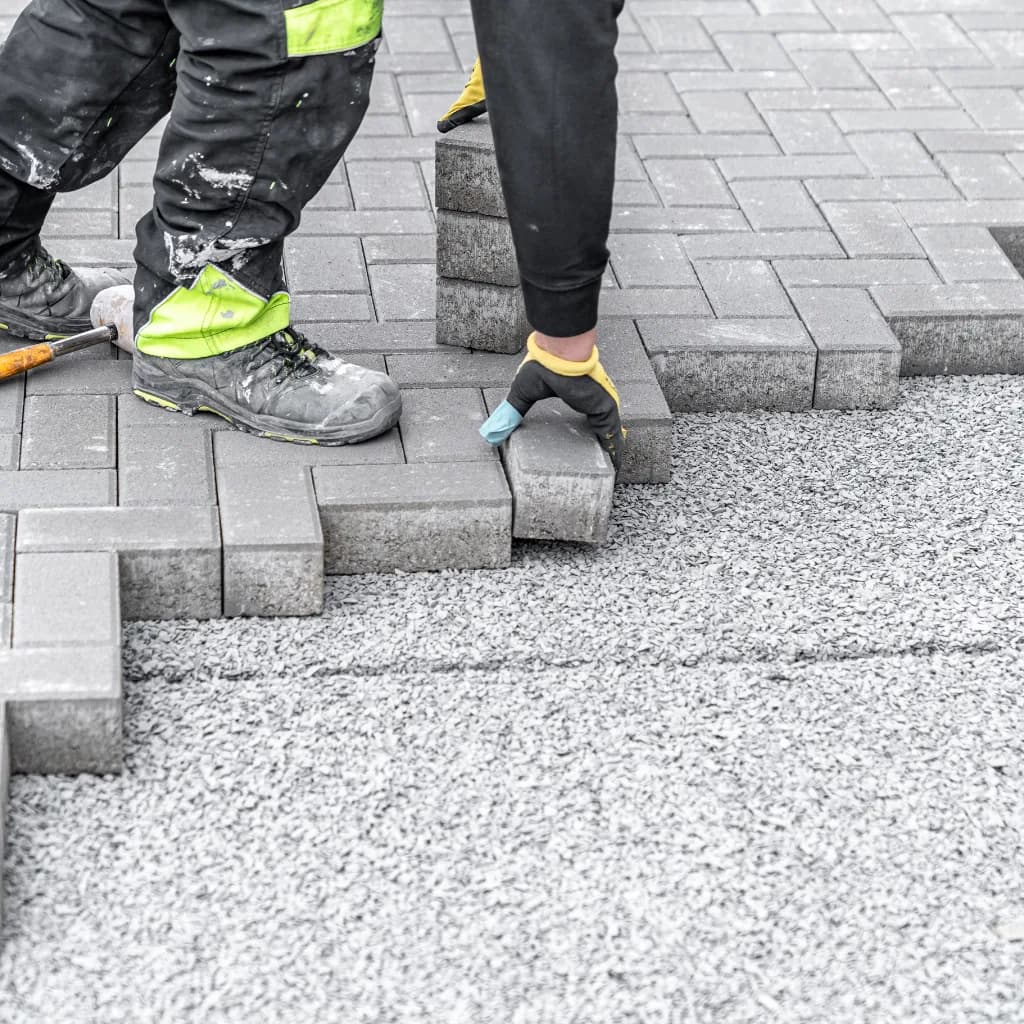
Hardscaping
Interlock, paving, pathways, decking and retaining walls — the structure the garden is built on.
Pay in instalments with

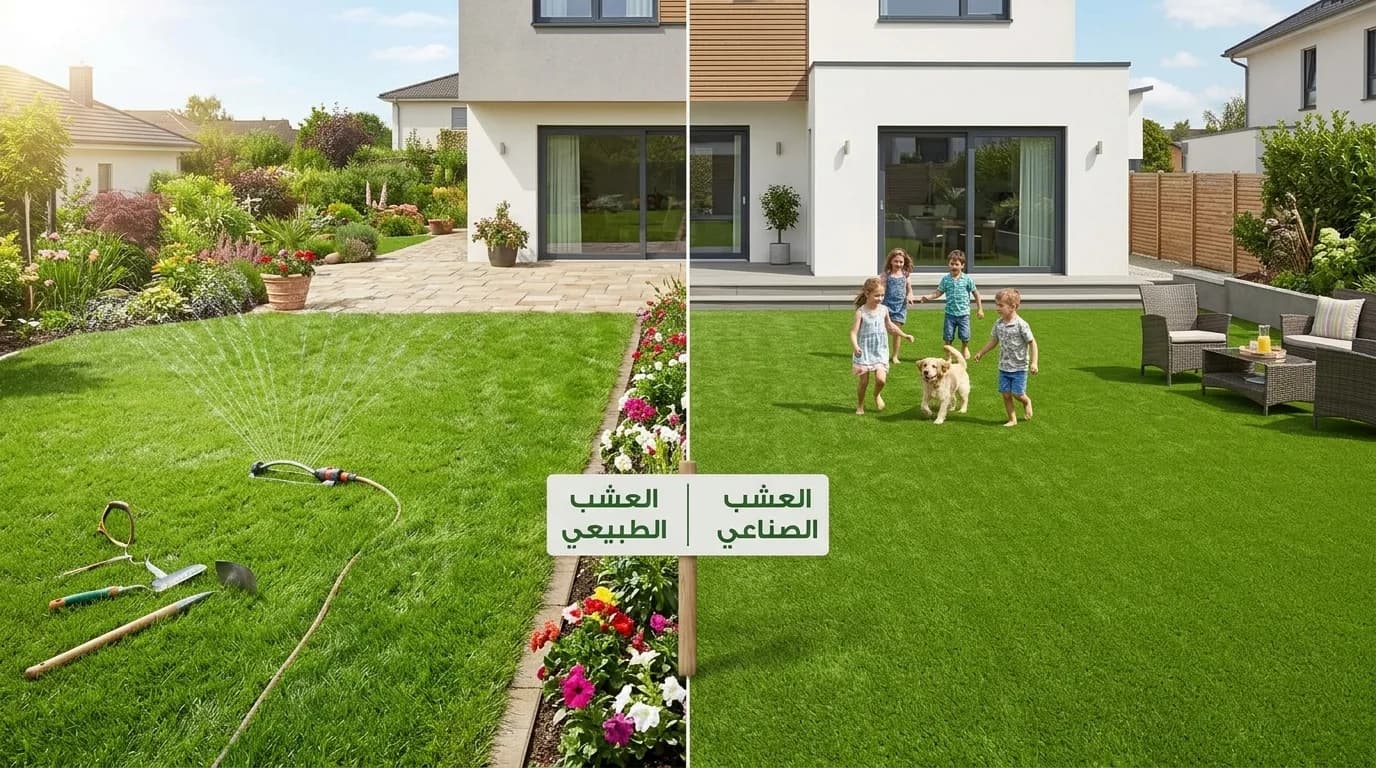
Natural & Artificial Turf
Natural turf in varieties that survive summer, or artificial grass at a spec that actually differs from what the market sells.
Pay in instalments with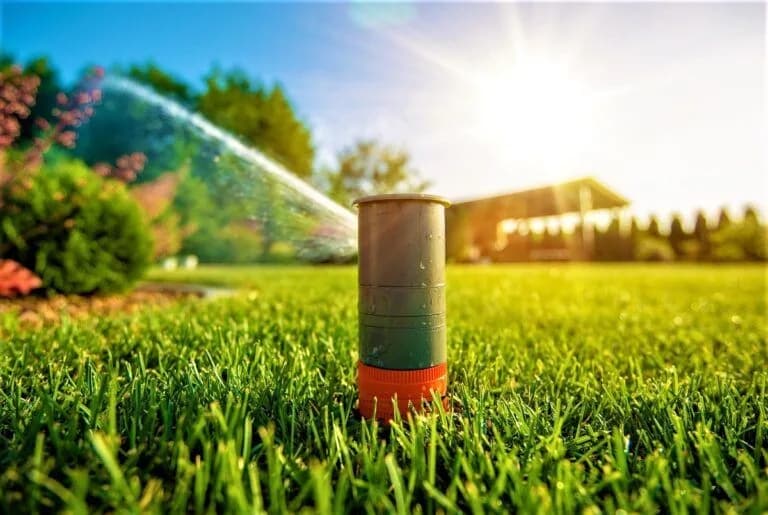
Irrigation Systems
Drip and spray irrigation with automatic control — the most important system in a garden and the most often built wrong.
Pay in instalments withReady to start your project?
A free site visit anywhere in the UAE within 48 hours — no obligation.