
Indoor Landscaping
Interior planting for offices, lobbies and villas, with an optional maintenance contract.
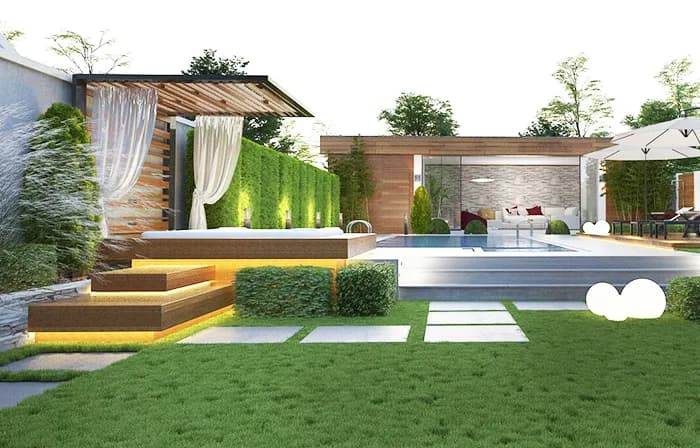
Indoor plants die for two reasons: not enough light, and irregular watering. We select species against the actual light level in the space, prepare pots with a drainage layer and the right mix, and offer a periodic maintenance contract covering watering, cleaning and replacement — indoor planting needs more follow-up than outdoor, not less.
Indoors is a hard environment, not an easy one
The common assumption is that indoor plants are easier than outdoor. Usually the opposite: indoors has light orders of magnitude weaker than daylight, very dry air from air-conditioning, constant airflow on the plant, and root space limited to the pot. An outdoor plant at least gets real light, occasional rain, and varied conditions.
Light is measured, not estimated
"The room is bright" is misleading — human vision adapts across an enormous range, so a space that looks bright can carry far less light than a moderate plant needs. An actual reading at each proposed position decides which species suit it, and the difference between a corner beside a window and one three metres away is very large.
Watering is the first killer
Most indoor plants drown rather than dry out. A sealed or poorly drained pot keeps the soil saturated, roots suffocate and rot — and the symptoms look exactly like thirst (wilting leaves), so the owner waters more and accelerates the death.
The answer is real drainage in the planter, and a watering schedule based on species and position rather than a fixed day of the week.
Air-conditioning and dust
Conditioned air is harshly dry, and a plant directly in front of a vent loses moisture faster than it can replace it. Dust settles on leaves and reduces photosynthesis — regular leaf wiping is not cosmetic cleaning, it is part of care.
When artificial is the honest choice
Where there is no natural light and outdoor rotation is impractical, a living plant will die within months regardless of care. In that case a quality artificial alternative is both more honest and cheaper — and we say so rather than sell a plant we know will not survive.
Scope of work
- Indoor species that tolerate artificial light and dry air-conditioning
- Planters with internal drainage and a barrier layer protecting the floor
- Scheduled hand watering or a self-watering system depending on scale
- Light-level measurement at each position before choosing species
- Plant rotation between indoors and outdoors where light is weak
- High-quality artificial alternatives for spaces with no natural light
How we deliver
Light and temperature survey
Light-level readings at each proposed position plus air-conditioning airflow. Positions vary greatly within one room, and these readings decide the species.
Species and planter selection
Species matched to each position, and planters with drainage and a size that suits root growth for years, not months.
Installation
Planters prepared with drainage layer and growing medium, then installed with floor protection beneath.
Handover and care schedule
A watering, leaf-cleaning and feeding schedule, with the signs of overwatering explained — the most common cause of indoor plant death.
Frequently asked
Why do indoor plants die so fast?
How does air-conditioning affect them?
Can plants live in a room with no window?
How much maintenance?
Do planters damage the floor?
Do you offer indoor maintenance contracts?
In the same category
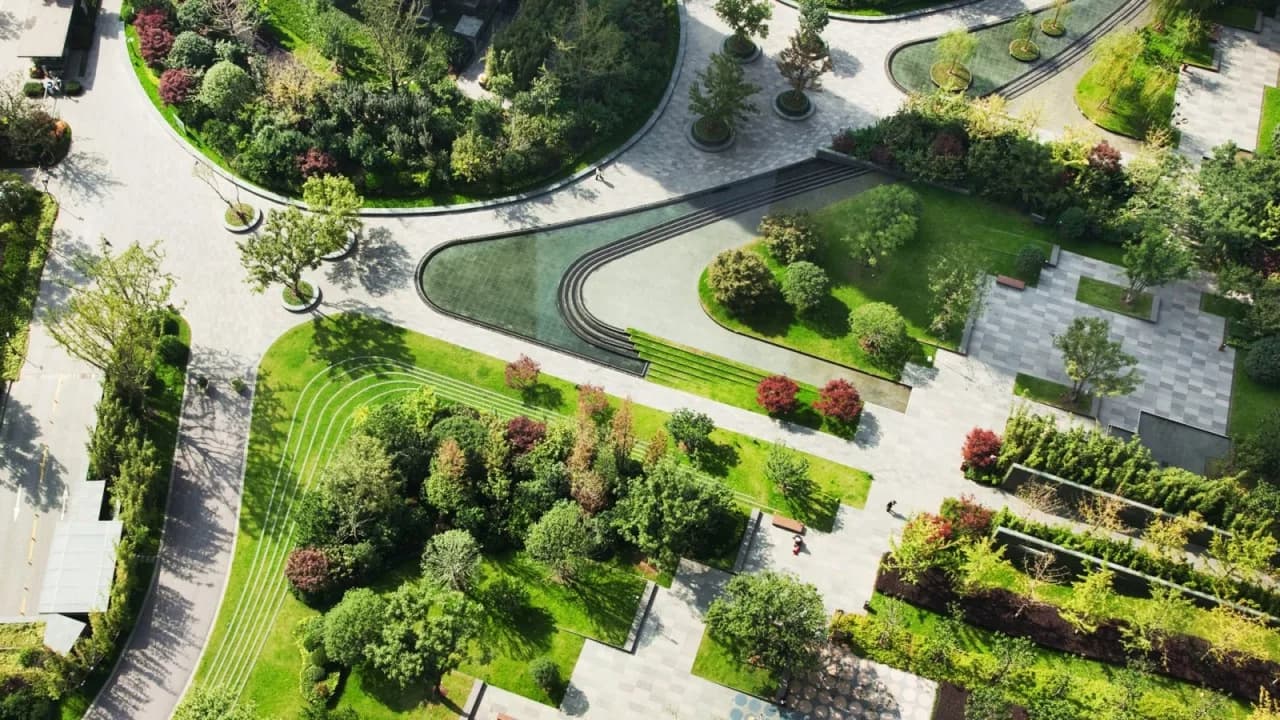
Softscape & Planting
Trees, palms and shrubs chosen to survive UAE heat and saline water — not just to look good on delivery.
Pay in instalments with

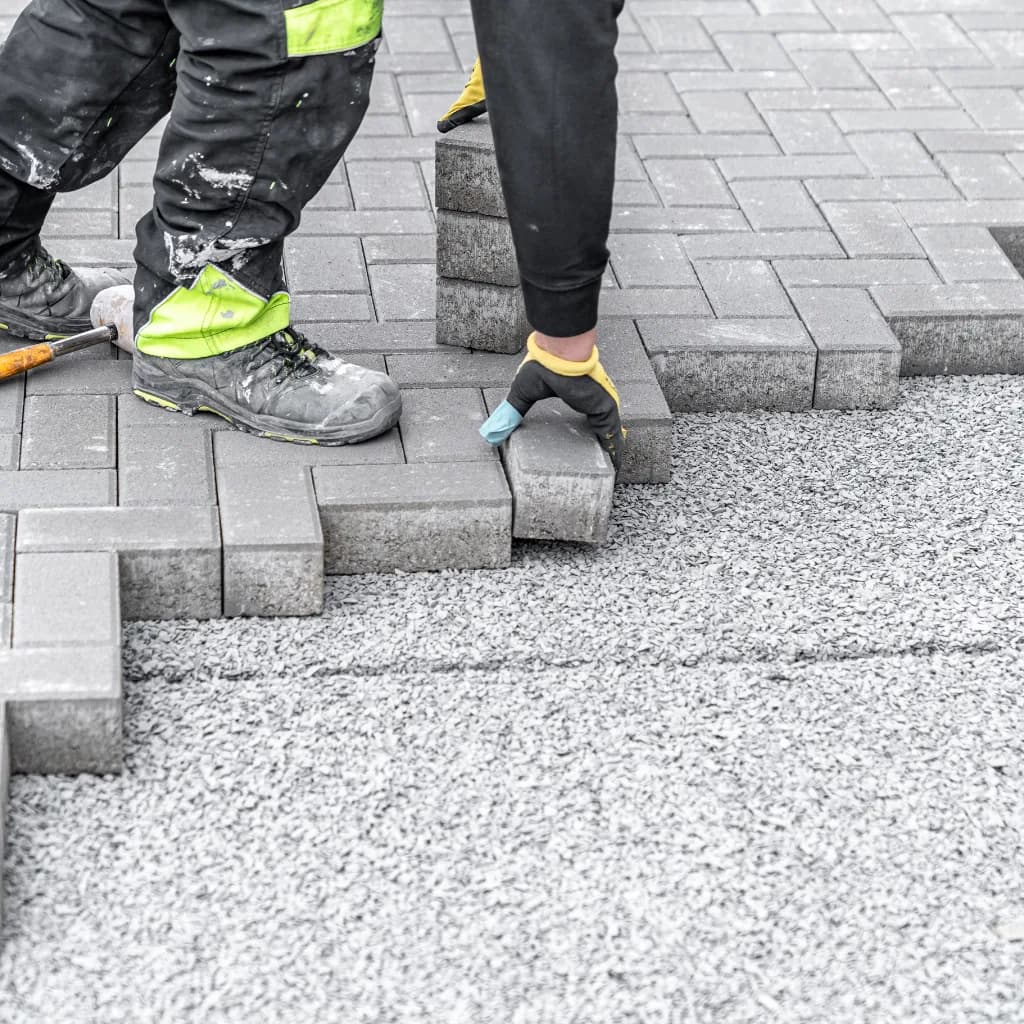
Hardscaping
Interlock, paving, pathways, decking and retaining walls — the structure the garden is built on.
Pay in instalments with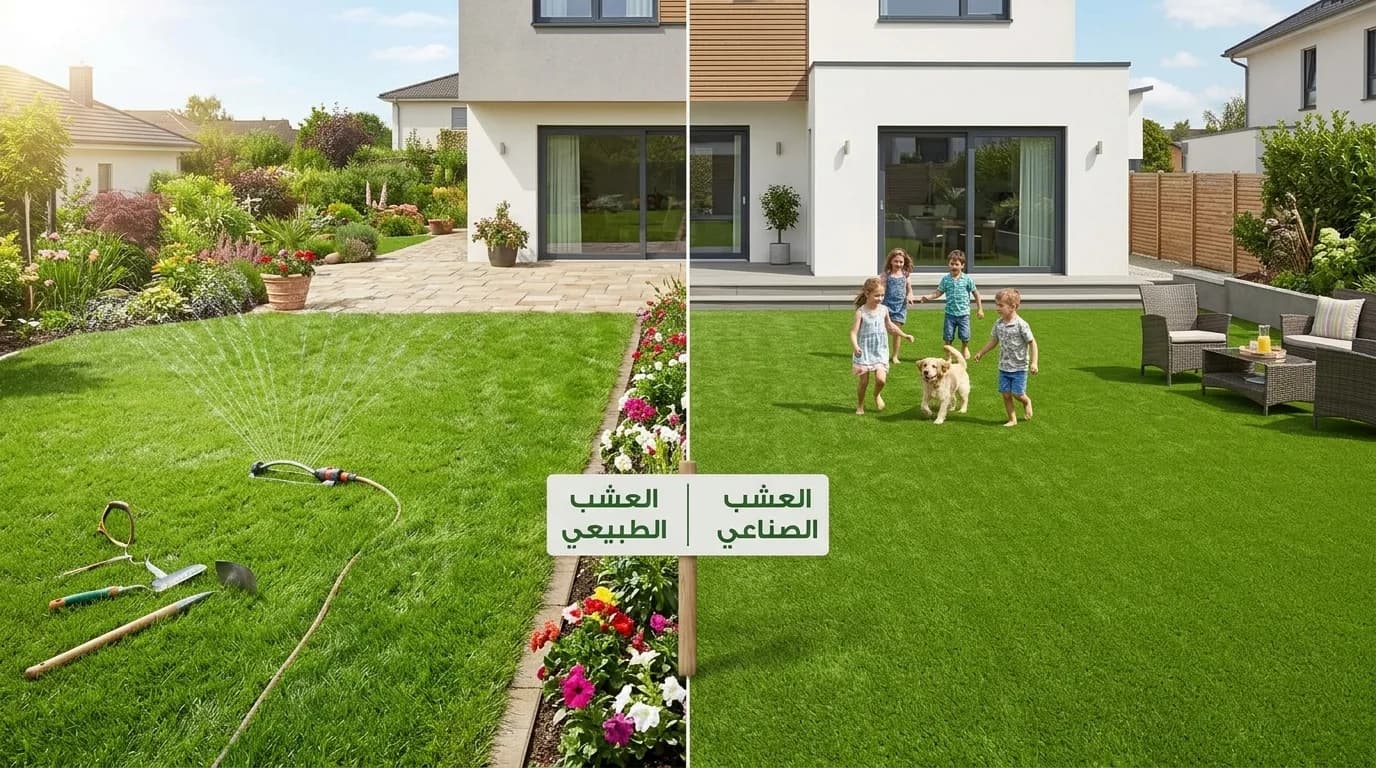
Natural & Artificial Turf
Natural turf in varieties that survive summer, or artificial grass at a spec that actually differs from what the market sells.
Pay in instalments withReady to start your project?
A free site visit anywhere in the UAE within 48 hours — no obligation.