
Irrigation Systems
Drip and spray irrigation with automatic control — the most important system in a garden and the most often built wrong.
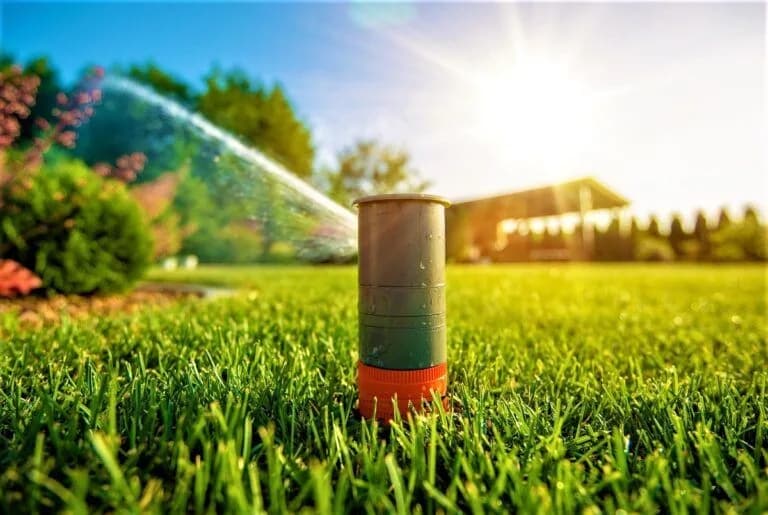
Irrigation is the difference between a garden that lives and one that dies in the first week of August. We design the network around each plant type's demand rather than blanket coverage: drip for trees and shrubs, spray for lawn, and separate zones per area so a palm is not fed the same volume as a flower bed. The system runs on an automatic controller and can be tied to a moisture sensor that shuts irrigation off after rain.
Zoning is the whole design
The most common irrigation mistake is putting everything on one line. A palm, shrubs, flowers and lawn have completely different demands in volume and frequency. On the same zone, the schedule gets set to the highest demand — so the palm is satisfied and the flowers drown, or the reverse.
Correct zoning follows plant demand, not physical proximity. Each group with similar demand gets its own zone, valve and schedule.
Drip and sprinklers are not alternatives
- Drip — for trees, shrubs and planters. Delivers water at the root with far lower evaporation loss, and suppresses weeds because the surface between plants stays dry.
- Sprinklers — for lawns needing uniform coverage. Evaporation loss is higher, which is why timing (dawn or after sunset) matters greatly.
Filter and pressure regulator are not optional
Mains water here leaves deposits, and deposits gradually block emitters. A system without a filter starts losing zones within a season, and the symptoms appear on the plants before anyone suspects the network.
The pressure regulator prevents a second problem: high pressure blows drip fittings apart and turns sprinkler output into a fine mist that drifts away instead of reaching the ground.
Seasonal scheduling
Plant demand in July is nothing like January — the gap is very large. A controller running one schedule year-round wastes water in winter and under-delivers in summer. Modern controllers allow seasonal programmes or a monthly adjustment percentage, and this is the simplest change that actually saves water.
A rain sensor stops irrigation after rainfall. Without one the programme runs regardless of weather — wasting water and harming roots at the same time.
Leaching is essential with saline water
With high-salinity irrigation water, normal watering leaves salts accumulating around the roots. Leaching — a deeper-than-usual watering at intervals — pushes those salts below the root zone. It goes into the schedule from the start, and needs working drainage to function.
Upgrading an existing network
Not every problem needs a new system. The highest-impact upgrade to an old network is usually: re-zoning, adding a filter and pressure regulator, and replacing the controller with a seasonal one. In most cases all three are done without replacing the main pipework.
Scope of work
- Zoned network designed by plant type
- Drip lines for trees and shrubs
- Spray heads for lawn areas
- Automatic controller and zone valves
- Filtration and pressure regulation
- Optional moisture sensor and app control
How we deliver
Water demand calculation
Measure areas, classify plants by demand, and read source pressure and flow. The design starts from these numbers, not from an emitter count.
Zoning
Each group of similar-demand plants on its own zone. Mixing a palm and flowers on one line means one drowns and the other goes thirsty.
Pipework and installation
Mains and laterals buried deep enough to resist sun and traffic, zone valves, plus filter and pressure regulator at the source.
Programming and handover
Set the seasonal schedule, test every zone, and show the owner how to switch between summer and winter programmes.
Frequently asked
How often should I irrigate in summer?
Why do emitters block?
Can an old network be upgraded instead of replaced?
Does irrigation stop by itself when it rains?
What is periodic soil leaching?
Can I control irrigation from my phone?
In the same category
Softscape & Planting
Trees, palms and shrubs chosen to survive UAE heat and saline water — not just to look good on delivery.
Pay in instalments with


Hardscaping
Interlock, paving, pathways, decking and retaining walls — the structure the garden is built on.
Pay in instalments with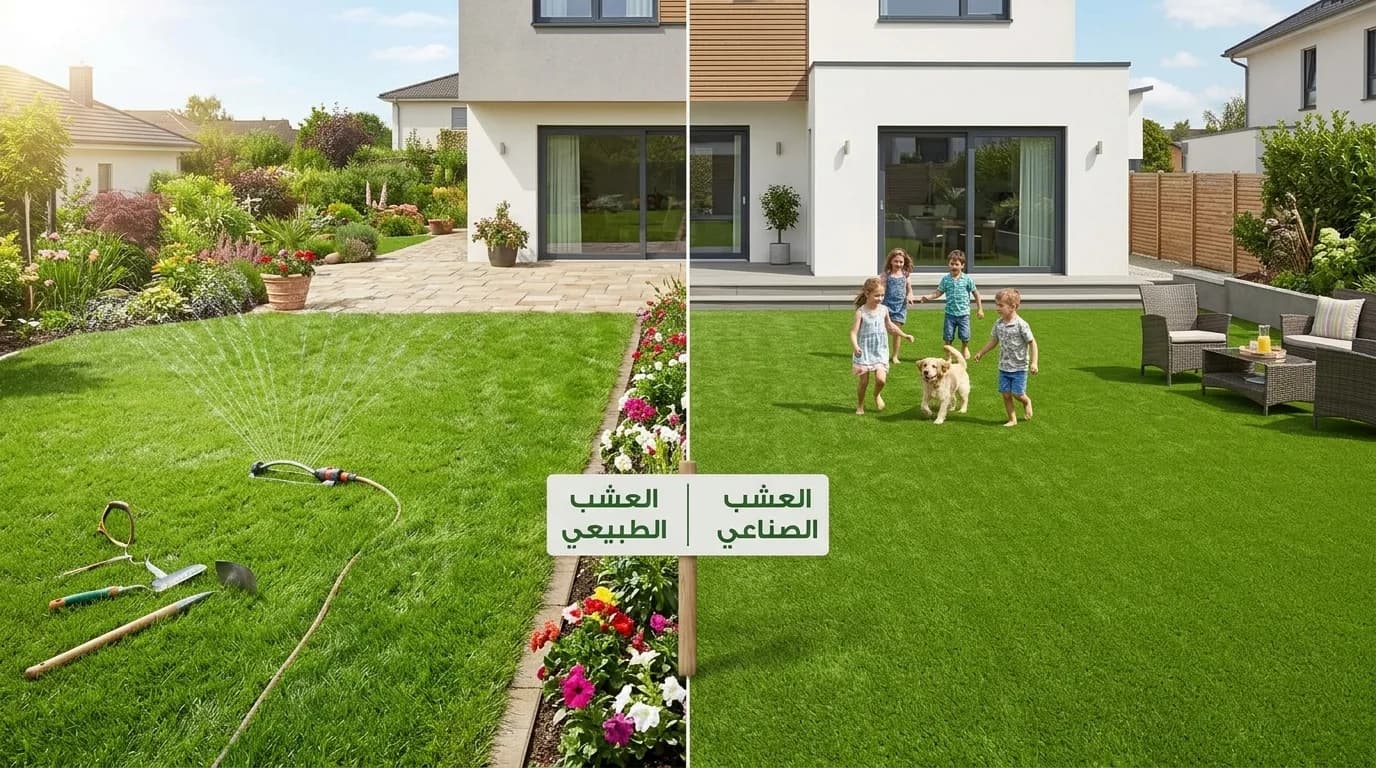
Natural & Artificial Turf
Natural turf in varieties that survive summer, or artificial grass at a spec that actually differs from what the market sells.
Pay in instalments withReady to start your project?
A free site visit anywhere in the UAE within 48 hours — no obligation.