
Painting & Decorative Finishes
Interior and exterior painting and gypsum details, with proper surface preparation before the first roller pass.
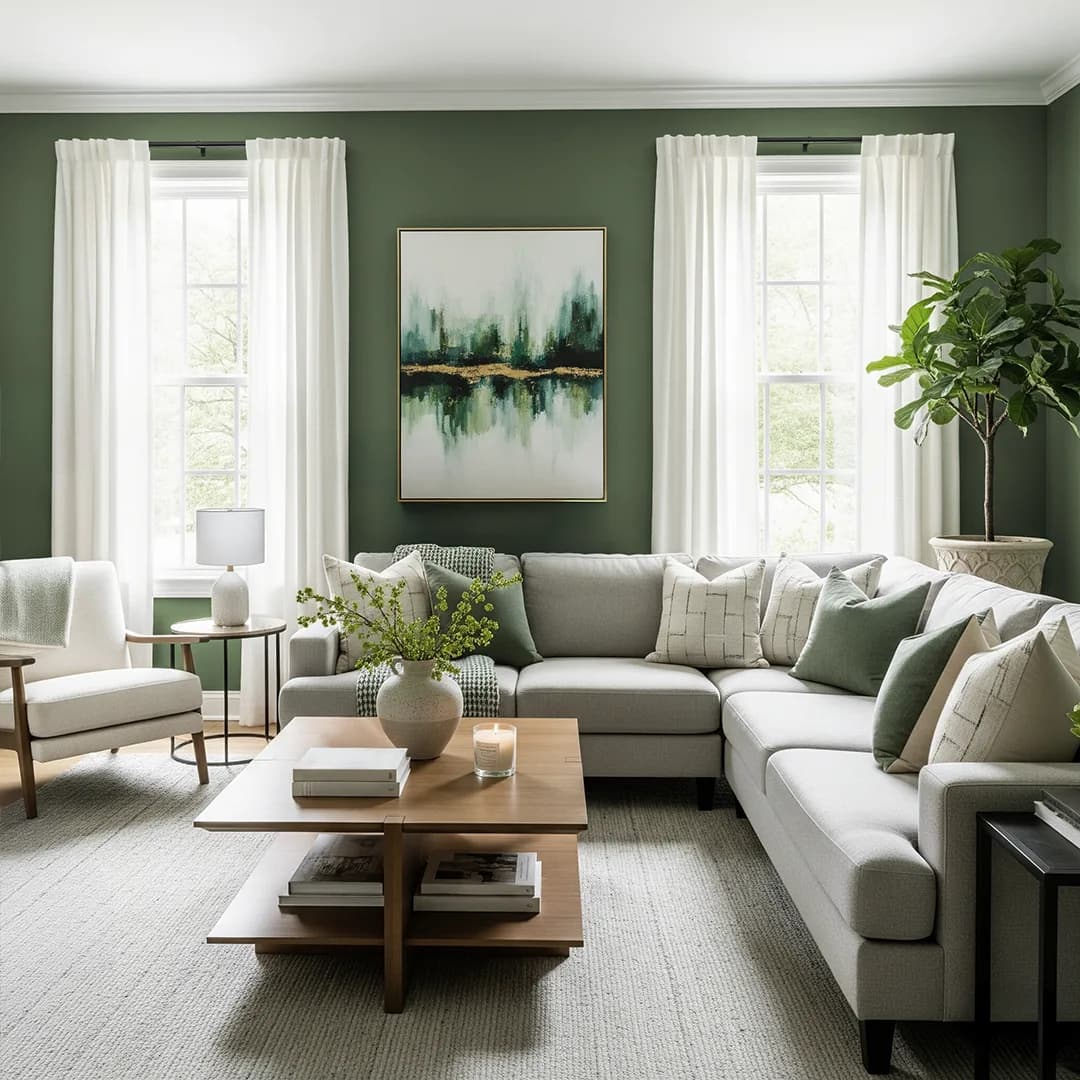
Eighty percent of a paint job is decided before the tin opens: crack repair, sanding, and the right primer for the substrate. Exterior paint here has to be UV resistant or it fades within two seasons. We hand over the product names and shade codes used, so any future touch-up matches exactly.
Preparation is the work — paint is the last step
People ask about paint type and brand, when in truth those determine a small part of the outcome. What decides whether paint lasts five years or peels within one is surface preparation: removing loose layers, repairing cracks, sanding, and the right primer.
Excellent paint on an unprepared surface peels, taking the layer beneath with it. Mid-range paint on a well-prepared surface stays sound. So a quotation based only on "number of coats" is incomplete — the important question is what preparation it includes.
Primer is not one product
A new surface absorbs differently from previously painted work; gypsum differs from concrete; metal differs from both. Primer bonds paint to substrate and equalises absorption — and the wrong primer produces patchiness and uneven colour even with excellent topcoat.
UAE sun is harsh on colour
UV breaks pigments down over time. Ordinary interior paint applied to a façade fades visibly within a season or two, and dark and vivid colours fade faster than pale ones.
Purpose-made UV-resistant exterior paints hold colour markedly longer. The price difference shows in the second year, when the façade still looks as delivered instead of needing redoing.
Painting over damp postpones, it does not solve
A patch on a wall indicates a water source somewhere: a leaking pipe, failed waterproofing, or rising moisture. "Damp-resistant" paint is a misleading name — it resists ambient humidity, not a continuing leak.
Applied over an active source, it hides the problem for months, then peels and takes render with it — leaving the wall worse than before it was painted.
Odour and emissions
Strong solvent-based paints leave odour for weeks in a closed space, and that is not merely unpleasant — particularly in bedrooms and children's rooms. Low-emission paints clear within a day or two with normal ventilation, and are now available at no loss in quality or colour range.
Decoration and ceiling height
Cornices and dropped ceilings add detail and consume clear height. In a room of moderate height, that makes the space feel tighter. The alternative is wall detail — panelling, light cornices, or colour contrast — giving the same sense of finish without lowering the ceiling.
Scope of work
- Surface preparation: cleaning, crack repair and sanding before any paint
- A primer matched to the substrate — not one primer for everything
- Exterior paints with UV resistance that prevents rapid fading
- Low-odour, low-emission interior paints
- Treating the cause of damp before painting, not painting over it
- Gypsum or panelled decoration designed with clear height in mind
How we deliver
Surface inspection
Assess condition: cracks, flaking, damp and existing coatings. The inspection determines the preparation required — which matters more than the paint brand.
Preparation
Clean, remove loose layers, repair cracks, sand, and protect furniture and floors.
Primer and first coat
A primer suited to the substrate, then the first coat after full drying.
Final coat and handover
Final coat after inspecting the first, then check edges and corners, clean and hand over.
Frequently asked
Does expensive paint make a difference?
Does exterior paint fade quickly?
Does damp return under paint?
How many coats?
How long does the smell last?
Do gypsum details reduce ceiling height?
In the same category
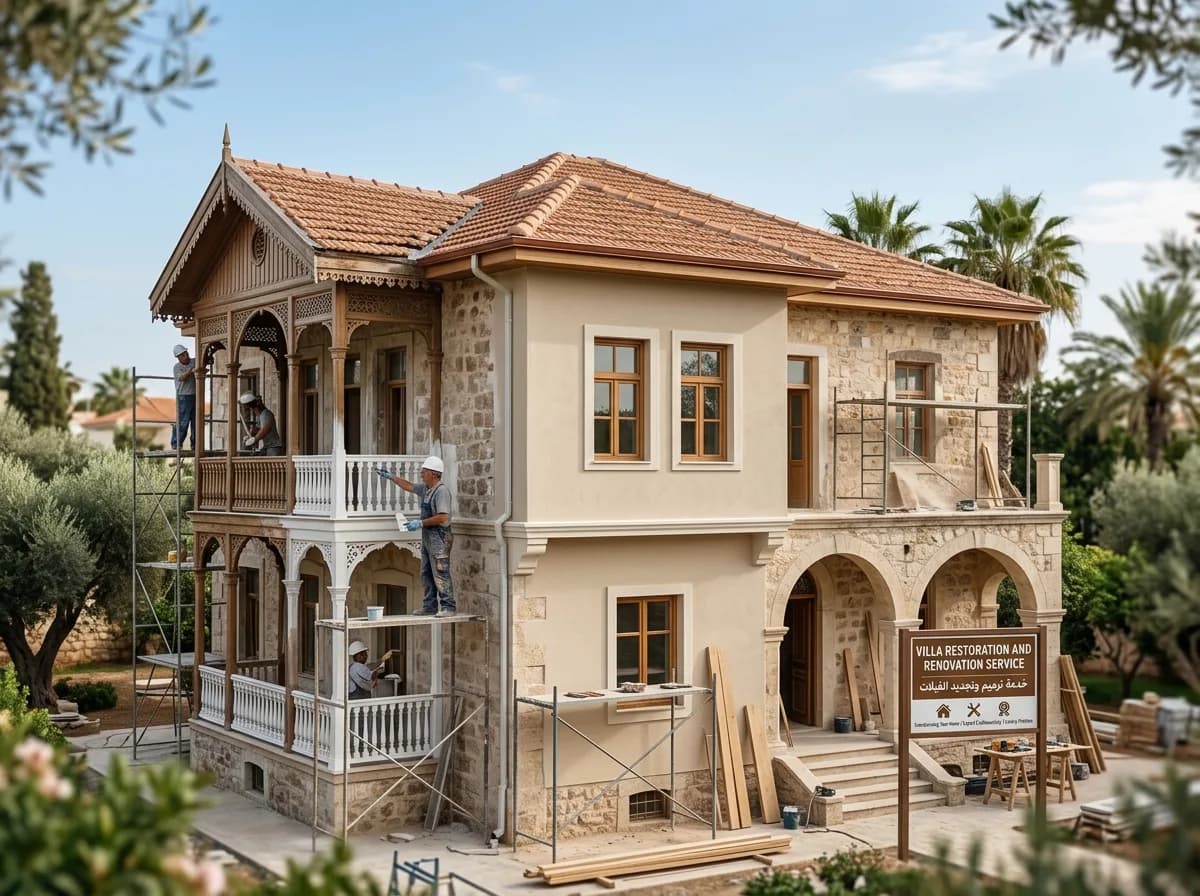
Villa Renovation
Full or partial villa renovation on a written schedule, with a weekly photo update.
Pay in instalments with

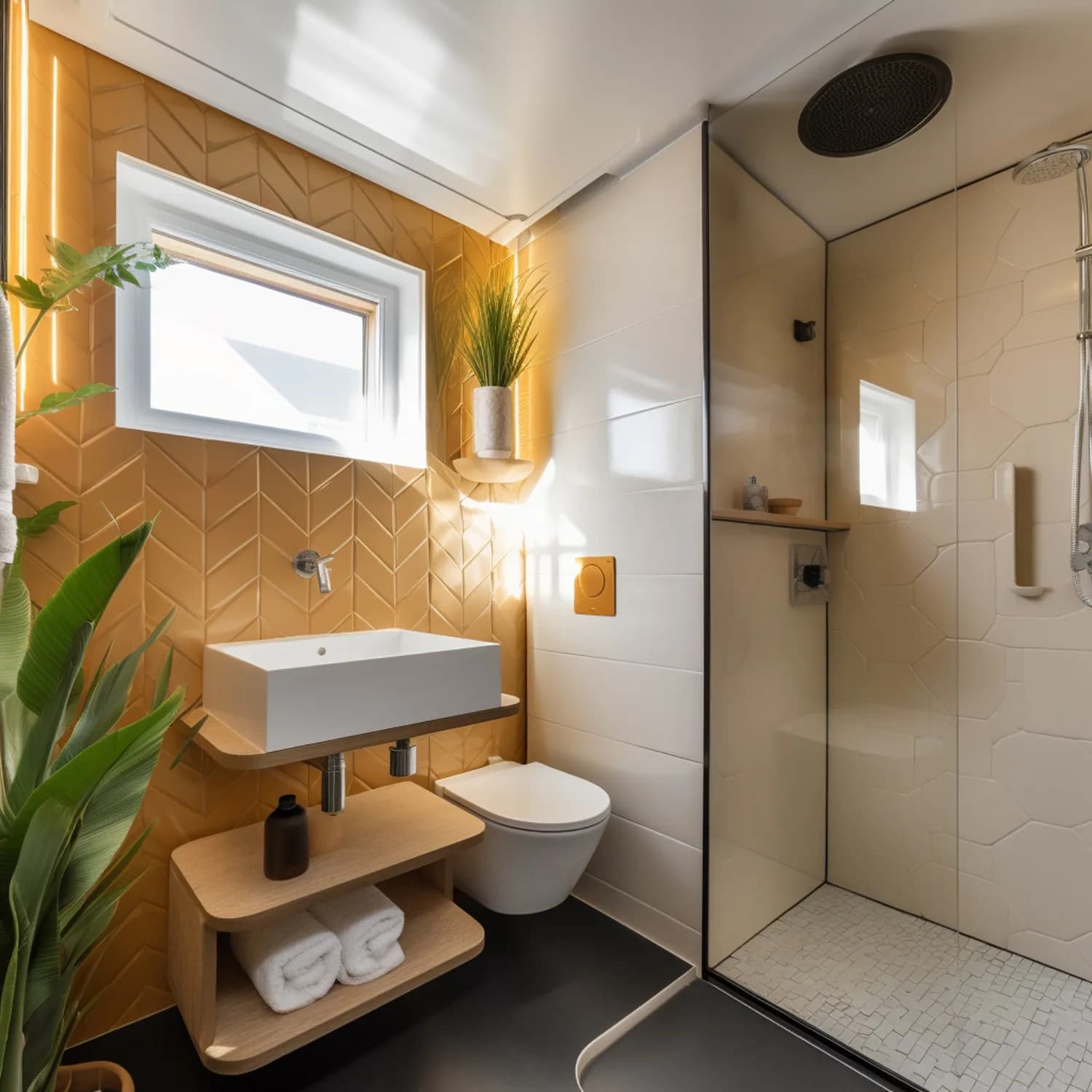
Bathroom Renovation
A full refit with new waterproofing, plumbing and finishes — the most leak-prone room in the house.
Pay in instalments with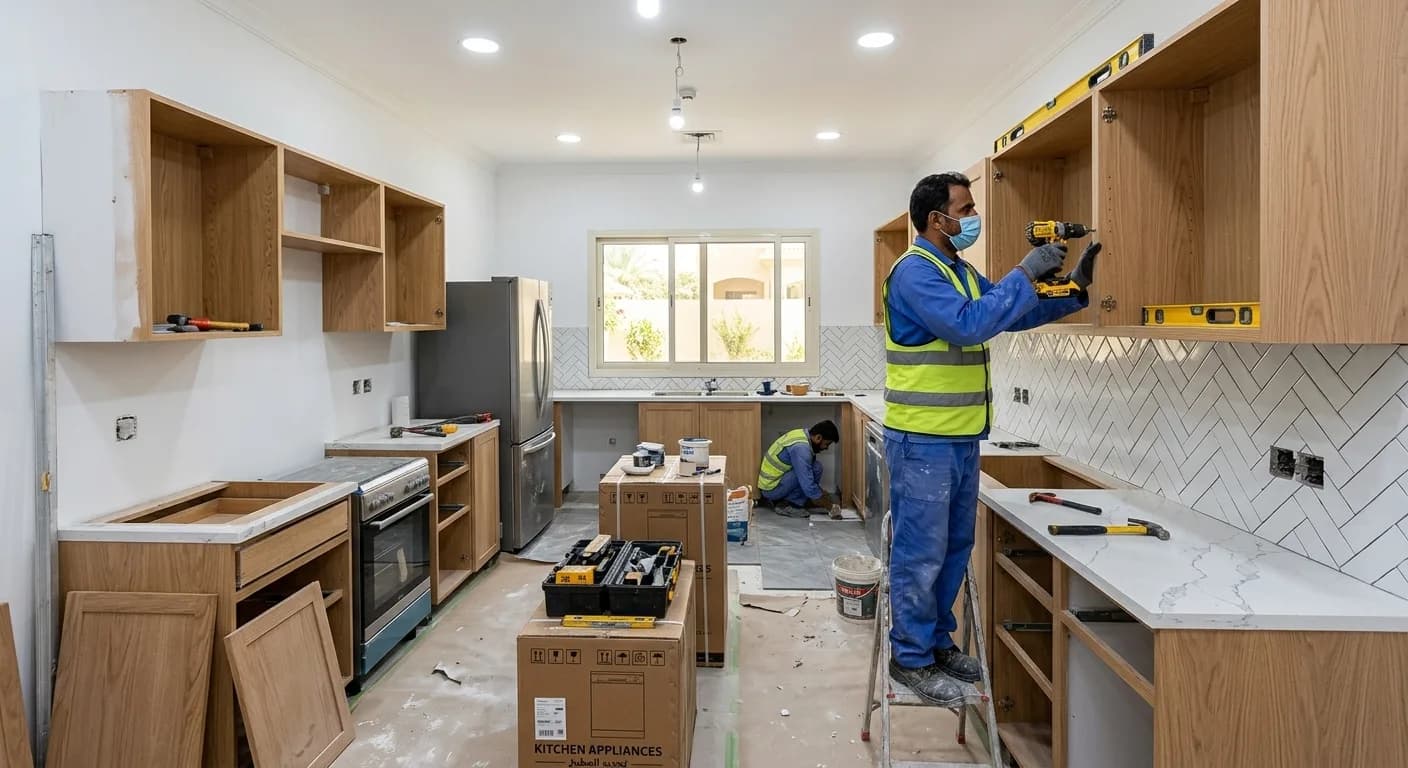
Kitchen Renovation
A kitchen refit with new cabinetry, worktops and revised services.
Pay in instalments withReady to start your project?
A free site visit anywhere in the UAE within 48 hours — no obligation.