
Villa Renovation
Full or partial villa renovation on a written schedule, with a weekly photo update.
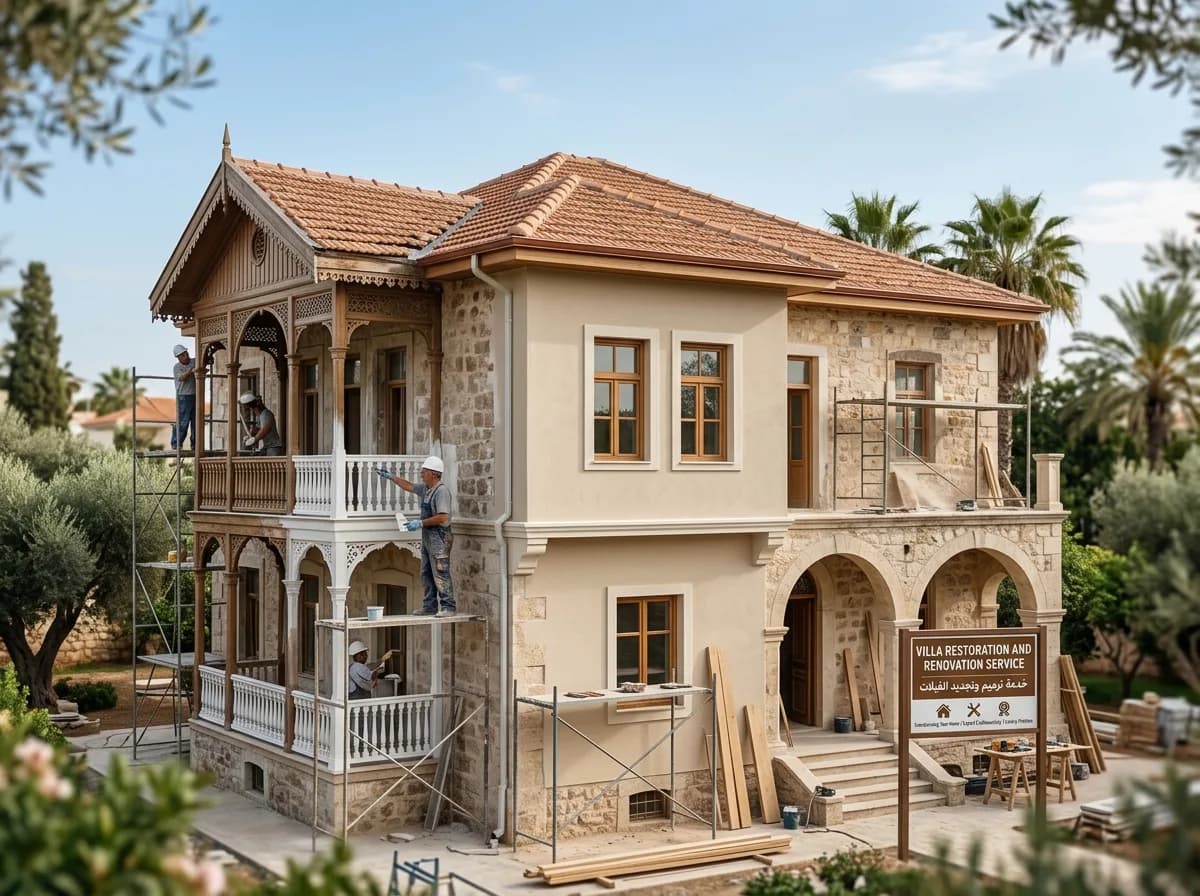
A villa ten years into this climate needs more than paint: waterproofing degrades, plumbing suffers from saline water, and air conditioning loses efficiency. We start with a technical survey separating what genuinely needs replacing from what only needs refreshing, then issue a written scope with a schedule — so you know whether work is moving without having to ask.
Renovation starts with a survey, not with finishing
Most renovation problems we get called to fix share one cause: finishing began before anyone knew the condition of what lay beneath. New flooring laid over failed waterproofing, fresh paint over damp caused by a pipe, walls closed over old unsafe wiring.
Months later the problem surfaces — and fixing it means demolishing the new finishes just paid for. An initial survey costs time upfront and saves all of that.
Damp is a symptom, not the disease
The patch on the wall is not the problem — it is evidence of a problem elsewhere: a leaking pipe, failed bathroom waterproofing, moisture rising from the ground, or condensation from a temperature difference. Each has a completely different remedy.
Damp-resistant paint hides the symptom for months, then peels away taking a layer of wall with it. Identifying the source first is the difference between repair and postponement.
The hidden works are the project
Clients see paint, flooring and doors, so they think that is the renovation. In practice that part is the fastest and cheapest. What takes time and money is hidden: replacing old plumbing, renewing the distribution board and circuits, waterproofing bathrooms and kitchens, and treating damp.
And sequence matters: any work that conceals a problem must follow the work that resolves it. That is what sets the programme.
Old plumbing and wiring
In older buildings, aged pipework corrodes internally, reducing pressure and discolouring water. Old wiring often lacks earth-leakage protection and has conductor sizes inadequate for modern appliances.
Dressing that up instead of replacing it means the problem stays inside the new walls — and the first fault requires breaking them open.
Living there during works
Possible in partial renovation with isolated zones and a phased programme; difficult in a full one. Insisting on occupation during a full renovation lengthens the programme substantially, because each phase needs setting up, cleaning and setting up again — and it raises cost too.
Scope of work
- Initial survey of structure, plumbing and electrics before any pricing
- A written programme with phases and clear deliverables
- Protection and covering for areas outside the renovation scope
- Replacing old plumbing and wiring rather than cosmetically covering it
- Treating the causes of damp before any paint or finish
- Phased handover allowing partial occupation where needed
How we deliver
Survey and report
A detailed inspection: damp, plumbing and electrical condition, cracking and insulation. That report is the basis for pricing — pricing before surveying is guesswork.
Scope and programme
Define what is done and what is left, with a phased schedule. Work that hides a problem is scheduled after the work that fixes it.
Hidden works
Plumbing, electrics, waterproofing and damp treatment. This is the invisible stage that determines the outcome of everything after it.
Finishes and handover
Paint, flooring, doors and fittings, then cleaning and handover with a workmanship warranty.
Frequently asked
Where do I start with an old villa?
Can I live there during renovation?
Does damp come back after painting?
What suddenly raises the cost?
Is a permit needed for renovation?
How long does it take?
In the same category
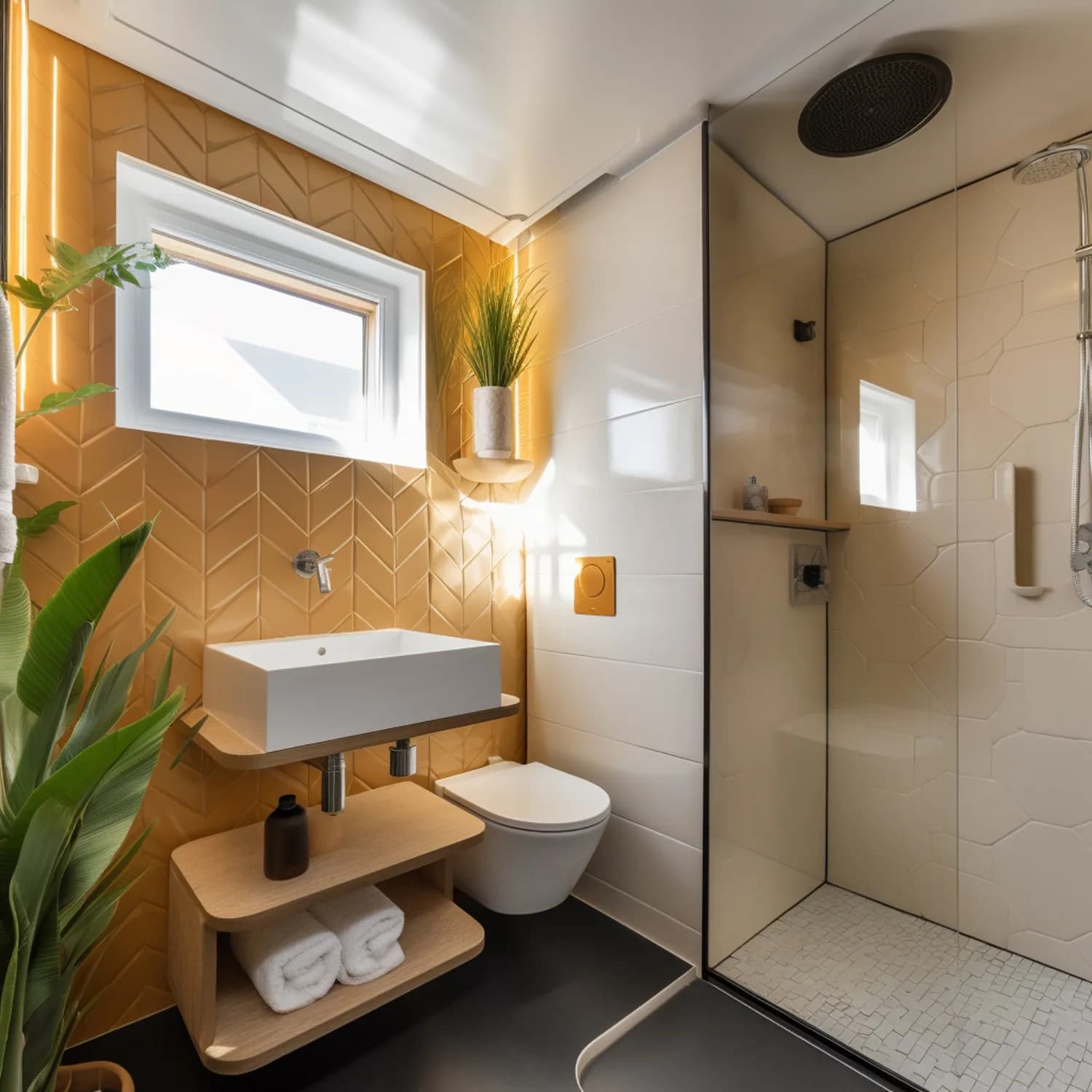
Bathroom Renovation
A full refit with new waterproofing, plumbing and finishes — the most leak-prone room in the house.
Pay in instalments with

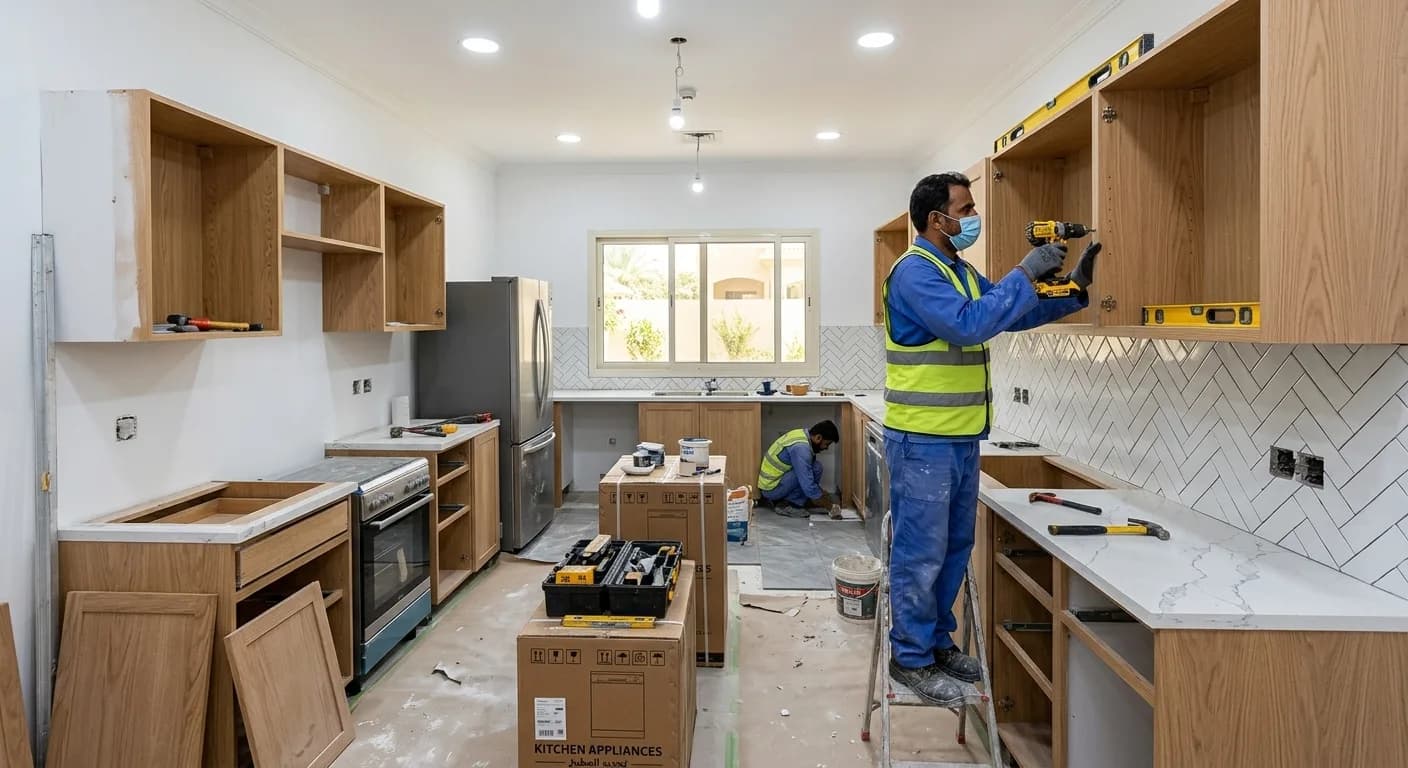
Kitchen Renovation
A kitchen refit with new cabinetry, worktops and revised services.
Pay in instalments with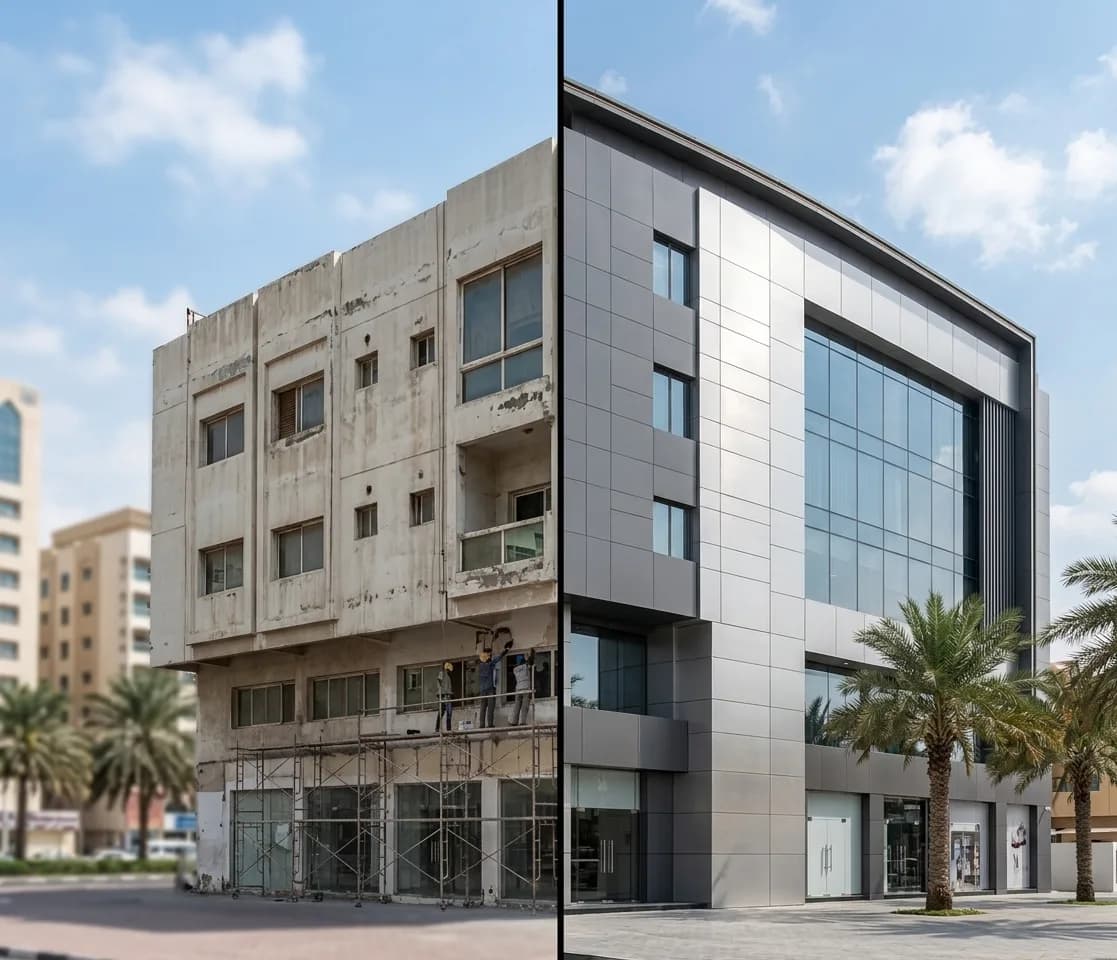
Façade & Cladding Refurbishment
Treating and renewing the façade in paint, stone or cladding — fixing the cause of decay, not the symptoms.
Pay in instalments withReady to start your project?
A free site visit anywhere in the UAE within 48 hours — no obligation.